AI Trends Shaping the Future of Business Automation
Introduction to AI in Business Automation
As technology continues to evolve, Artificial Intelligence (AI) is playing a pivotal role in transforming business automation. From enhancing operational efficiency to improving customer experiences, AI is reshaping the way businesses operate. This post explores the key AI trends that are shaping the future of business automation.
Intelligent Process Automation (IPA)
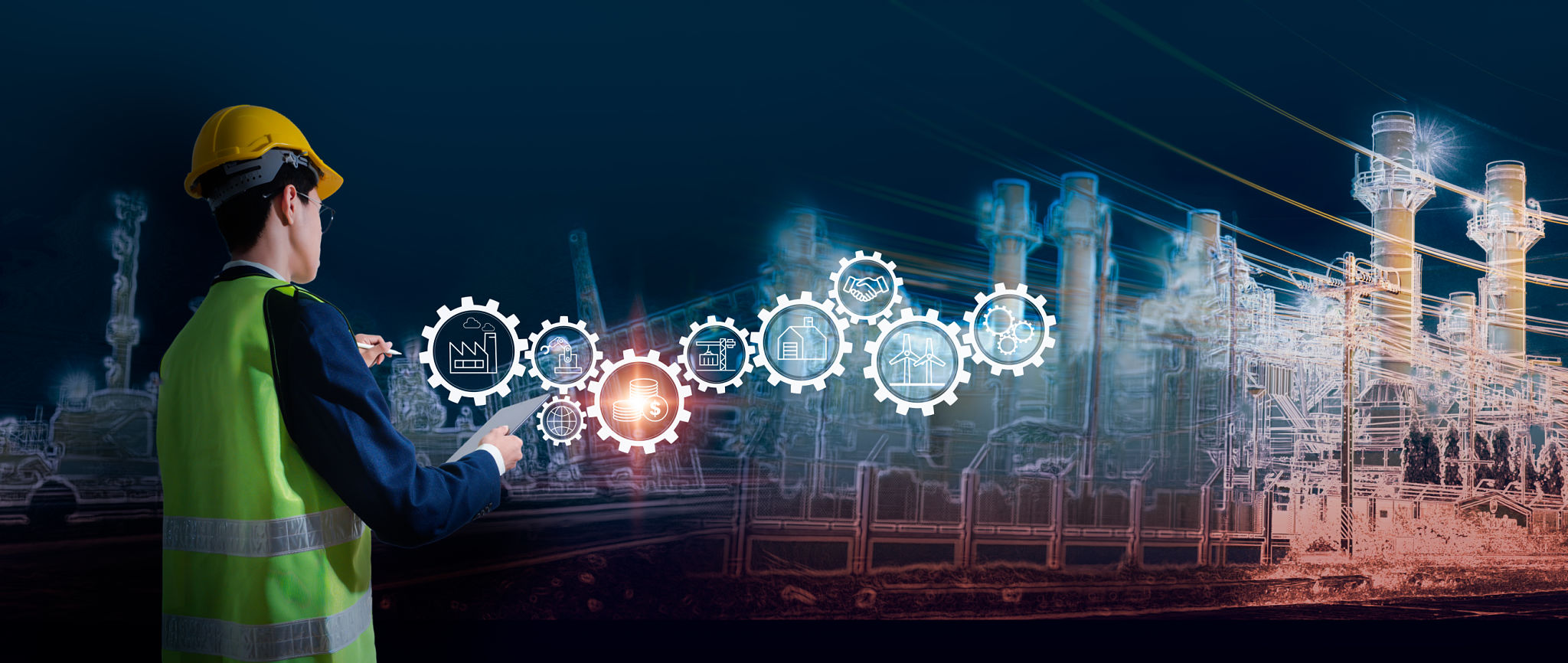
Intelligent Process Automation is the fusion of AI and automation, enabling businesses to automate complex processes with precision. IPA combines machine learning, decision management, and natural language processing to streamline workflows. Companies can achieve higher accuracy and efficiency, resulting in reduced operational costs and improved productivity.
Robotic Process Automation (RPA) with AI Enhancements
Robotic Process Automation has been a game-changer for routine tasks, but integrating AI takes it a step further. AI-enhanced RPA can handle unstructured data, make decisions, and adapt to changes in real-time. This trend is allowing businesses to automate more sophisticated tasks that were previously thought to require human intervention.
AI-Driven Data Analytics
Data analytics has become a cornerstone of strategic decision-making for businesses. With AI-driven data analytics, companies can gain deeper insights into their operations and customer behavior. AI algorithms can process vast amounts of data quickly, identifying patterns and trends that would be nearly impossible for humans to detect.

Natural Language Processing (NLP) for Improved Customer Interaction
Natural Language Processing is revolutionizing how businesses interact with their customers. By understanding and responding to human language more naturally, NLP improves customer service through chatbots and virtual assistants. These AI-driven tools can handle customer inquiries 24/7, providing quick and accurate responses, which enhances the overall customer experience.
AI in Supply Chain Management
The integration of AI in supply chain management is leading to increased efficiency and reduced costs. AI technologies such as predictive analytics and machine learning help in demand forecasting, inventory management, and logistics optimization. Businesses can make more informed decisions, reducing waste and improving supply chain resilience.

AI-Powered Cybersecurity
With the rising threat of cyberattacks, cybersecurity has become a top priority for businesses. AI-powered cybersecurity solutions offer advanced threat detection and response capabilities. Machine learning algorithms can identify anomalies and potential threats in real-time, allowing businesses to protect sensitive data and prevent cyber breaches effectively.
Conclusion: Embracing AI for a Better Future
The trends highlighted in this post underscore the transformative potential of AI in business automation. By embracing these technologies, companies can not only streamline operations but also drive innovation and growth. As AI continues to evolve, businesses that adopt these trends will be well-positioned for success in the ever-changing digital landscape.