AI in Action: Boosting Productivity in Remote Work Environments
Introduction to AI in Remote Work
The shift to remote work has transformed how businesses operate, and technology is at the forefront of this transformation. Artificial Intelligence (AI) has emerged as a key player in enhancing productivity in remote work environments. By automating tasks, analyzing data, and improving communication, AI is helping businesses overcome the challenges of remote work.
With the rise of AI tools, employees can focus on more strategic tasks, leaving repetitive and mundane tasks to machines. This shift not only boosts productivity but also enhances job satisfaction as employees engage in more meaningful work.

Automating Routine Tasks
One of the most significant advantages of AI is its ability to automate routine tasks. From scheduling meetings to managing emails, AI tools can handle these responsibilities with ease. This automation allows employees to concentrate on tasks that require critical thinking and creativity.
For instance, AI-powered chatbots can handle customer inquiries, freeing up customer service representatives to tackle more complex issues. Similarly, AI tools can assist in document management by organizing and categorizing files, making it easier for remote teams to access the information they need.
Enhancing Communication and Collaboration
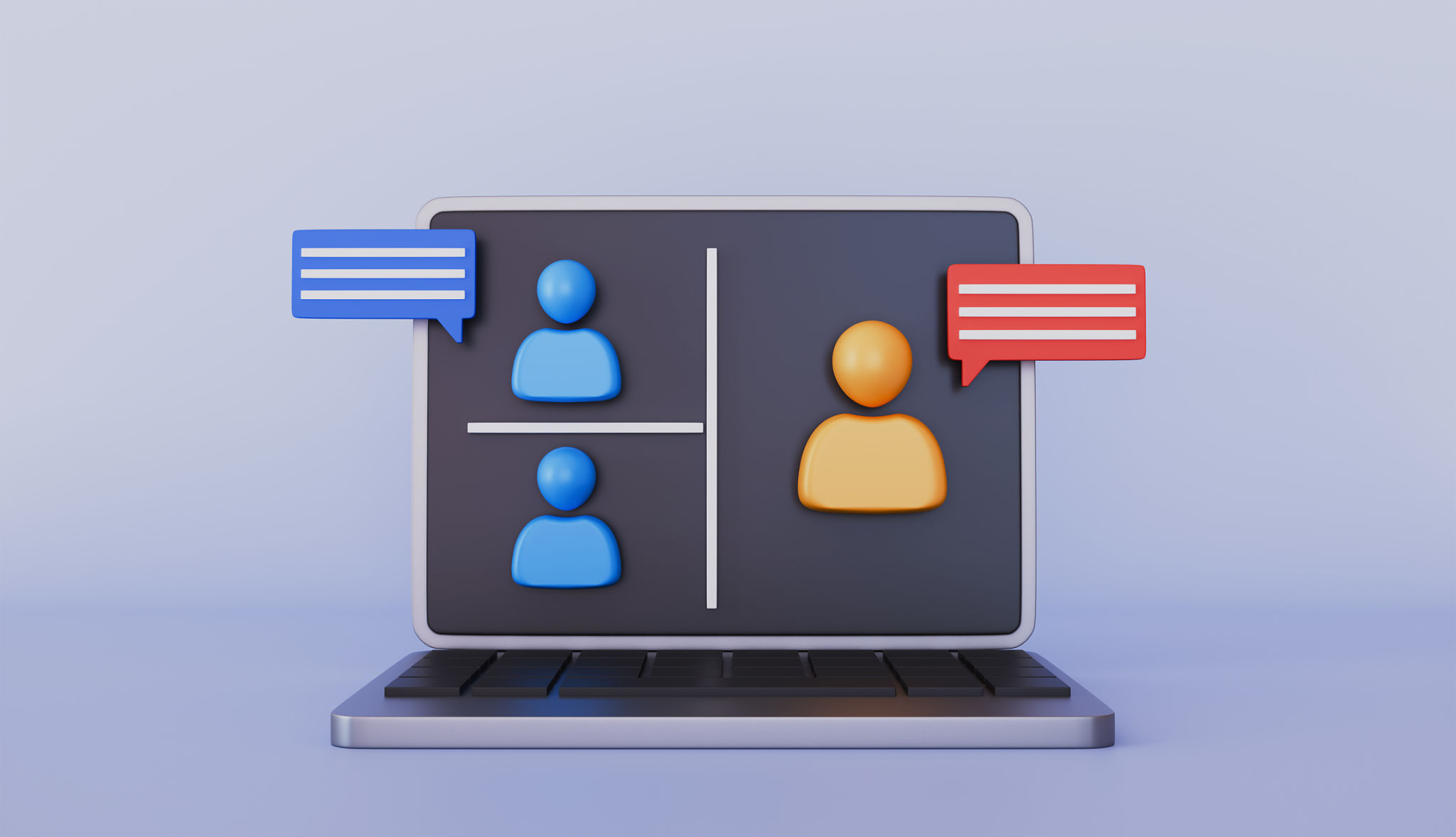
Communication is vital in remote work settings, and AI is playing a crucial role in bridging the gap between team members. AI-driven communication tools can translate languages in real-time, ensuring that language barriers do not hinder collaboration. Furthermore, AI can analyze communication patterns to suggest the best times for meetings, optimizing team interactions.
AI also facilitates collaboration by integrating with project management tools. By providing insights into team performance and project progress, AI helps teams stay aligned and on track to meet their objectives.
Data Analysis and Decision-Making
AI excels at processing vast amounts of data quickly and accurately. In a remote work environment, this capability is invaluable for decision-making. AI tools can analyze performance metrics, customer feedback, and market trends to provide insights that guide strategic decisions.
These insights enable businesses to adapt swiftly to changes and make informed decisions that drive growth. By leveraging AI for data analysis, companies can stay competitive and agile in today's fast-paced business landscape.

Personalizing the Remote Work Experience
AI can also personalize the remote work experience for employees. By analyzing individual work habits and preferences, AI tools can suggest personalized productivity tips and tools. This personalization helps employees work more efficiently and effectively, leading to increased job satisfaction and productivity.
Moreover, AI can aid in professional development by recommending courses and resources tailored to an employee's career goals. This targeted approach to learning and development fosters a culture of continuous improvement and personal growth.

Conclusion
AI is revolutionizing the way we work remotely by enhancing productivity, improving communication, and facilitating decision-making. As businesses continue to navigate the remote work landscape, leveraging AI will be essential in maintaining a competitive edge. By embracing AI, companies can create a more efficient, collaborative, and satisfying remote work environment for their employees.