
Boosting Productivity with AI: Real Success Stories from Romanian Businesses
In recent years, Romanian businesses have increasingly embraced artificial intelligence (AI) to boost productivity and streamline operations. From small startups to large corporations, AI has proven to be a game-changer, offering innovative solutions that enhance efficiency and drive growth.
One of the most compelling examples of AI's impact is in the retail sector. Romanian retailers are using AI to optimize supply chains, manage inventory, and personalize customer experiences. By analyzing customer data, AI algorithms can predict purchasing behavior and recommend products, leading to increased sales and customer satisfaction.

AI in Manufacturing: Streamlining Operations
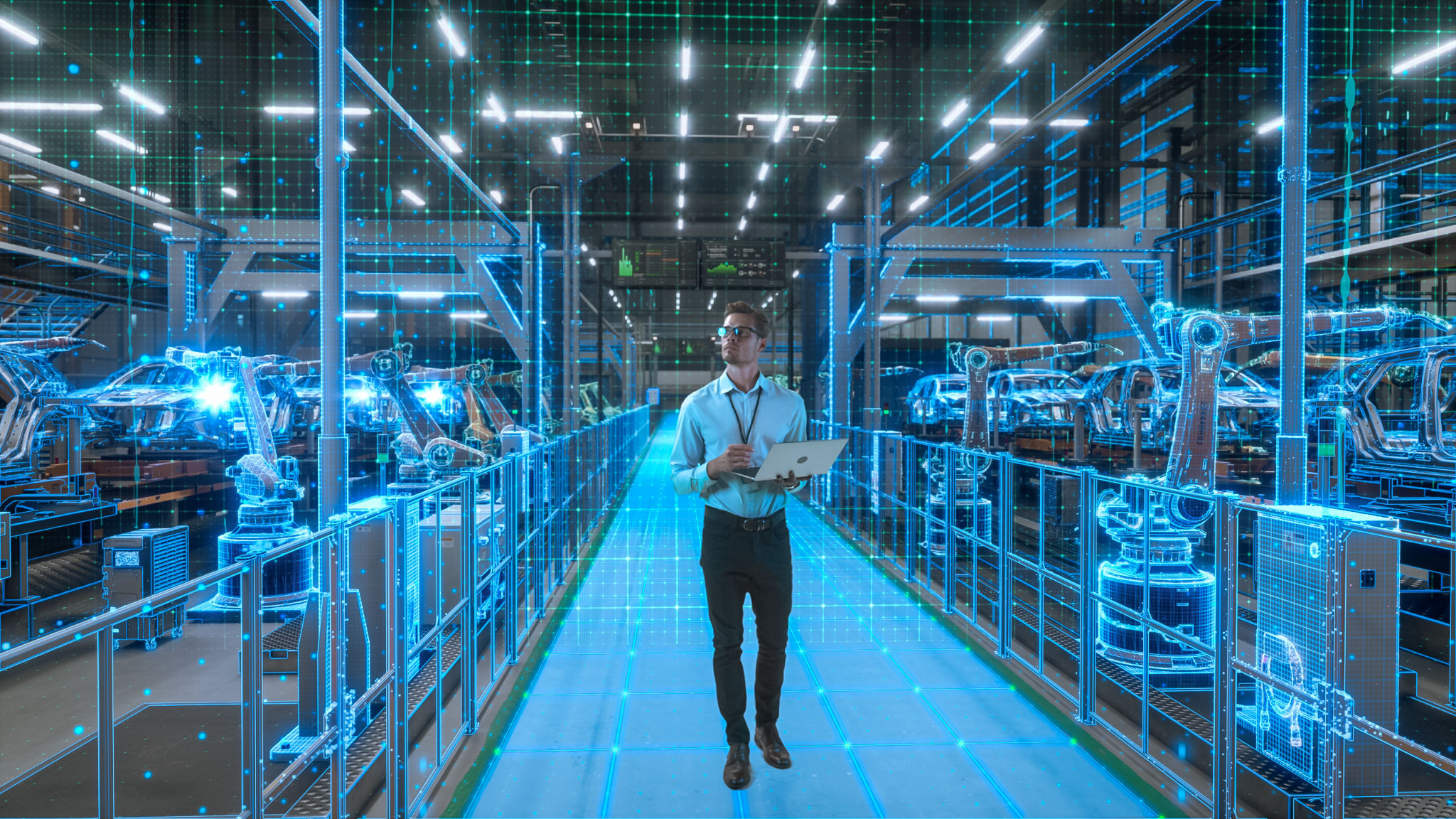
The manufacturing industry in Romania has also seen significant improvements with the adoption of AI. Manufacturers are using AI-driven analytics to monitor equipment health, predict maintenance needs, and reduce downtime. This proactive approach not only minimizes costs but also extends the lifespan of machinery.
Moreover, AI-powered robots are being integrated into production lines, performing repetitive tasks with precision. This allows human workers to focus on more complex and creative tasks, enhancing overall productivity and job satisfaction.
Enhancing Customer Service with AI
Customer service in Romanian businesses has been revolutionized by AI technologies. Chatbots and virtual assistants are becoming commonplace, providing 24/7 support to customers. These AI tools can handle inquiries, process orders, and resolve issues efficiently, freeing up human agents for more intricate customer interactions.
Additionally, AI is used to analyze customer feedback and sentiment, allowing companies to tailor their services and improve customer relations. This data-driven approach ensures that businesses are responsive to customer needs and can adapt quickly to market changes.

AI in Agriculture: A Growing Trend
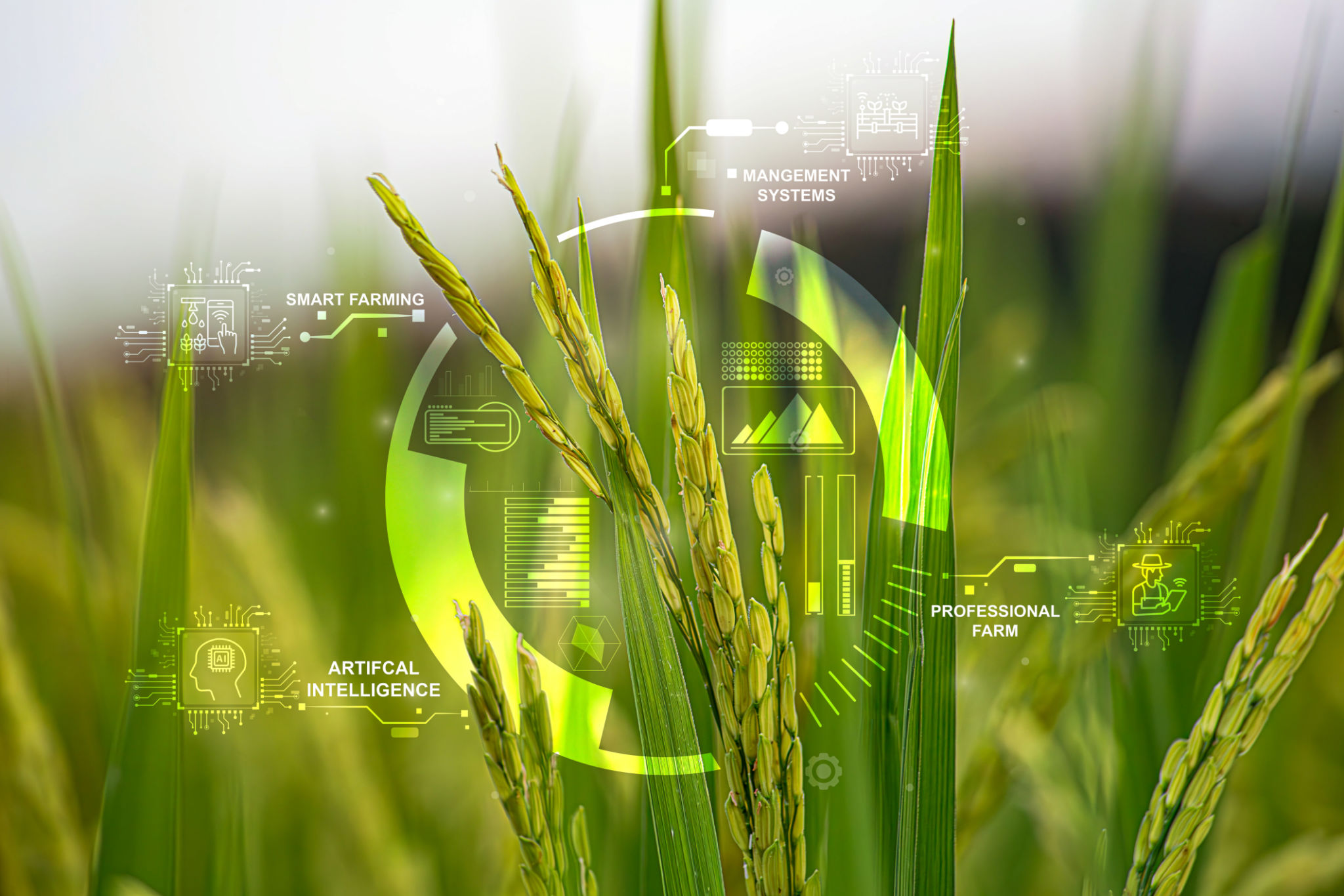
In the agricultural sector, AI is helping Romanian farmers maximize crop yields and manage resources more effectively. AI systems can analyze weather patterns, soil conditions, and crop health to provide farmers with actionable insights. This allows for precise planting, watering, and harvesting, leading to increased productivity and sustainability.
Furthermore, AI-powered drones are being used for monitoring large fields, identifying areas that need attention, and even applying fertilizers and pesticides. This technology reduces waste and enhances crop quality, supporting the growth of the agricultural industry.
Conclusion: The Future of AI in Romania
The success stories of Romanian businesses leveraging AI highlight the transformative potential of this technology. By adopting AI, companies across various industries are not only boosting productivity but also positioning themselves as leaders in innovation.
As AI continues to evolve, its applications will undoubtedly expand, offering even more opportunities for businesses to thrive. Romania's commitment to embracing AI promises a bright future, full of growth and technological advancement.