The Future of Work: AI Solutions to Enhance Productivity
The Rise of AI in the Workplace
The integration of artificial intelligence (AI) in the workplace is not just a trend—it's a revolution. Companies across various sectors are embracing AI solutions to streamline operations, enhance productivity, and stay competitive. As AI technologies continue to evolve, they offer unprecedented opportunities for businesses to optimize their workflows and improve efficiency.

Streamlining Routine Tasks
One of the most significant benefits of AI in the workplace is its ability to automate routine tasks. From data entry to scheduling meetings, AI can handle various administrative duties, allowing employees to focus on more strategic activities. This shift not only boosts productivity but also enhances job satisfaction as workers engage in more meaningful work.
Enhancing Decision-Making
AI-powered analytics tools provide businesses with deep insights that were previously inaccessible. By analyzing massive datasets, AI can identify trends, forecast outcomes, and recommend optimal strategies. This data-driven approach empowers decision-makers to make informed choices, reducing the risk of errors and improving overall performance.

Collaboration and Communication
AI is transforming how teams collaborate and communicate. Intelligent platforms can analyze communication patterns and suggest improvements, fostering a more cohesive work environment. Additionally, AI-driven translation tools break down language barriers, enabling seamless collaboration in global teams.
Personalized Learning and Development
AI solutions are revolutionizing employee training and development by offering personalized learning experiences. Tailored training programs adapt to individual learning styles and progress, ensuring that employees acquire the skills they need efficiently. This approach not only enhances skill development but also increases employee engagement.
Challenges and Considerations
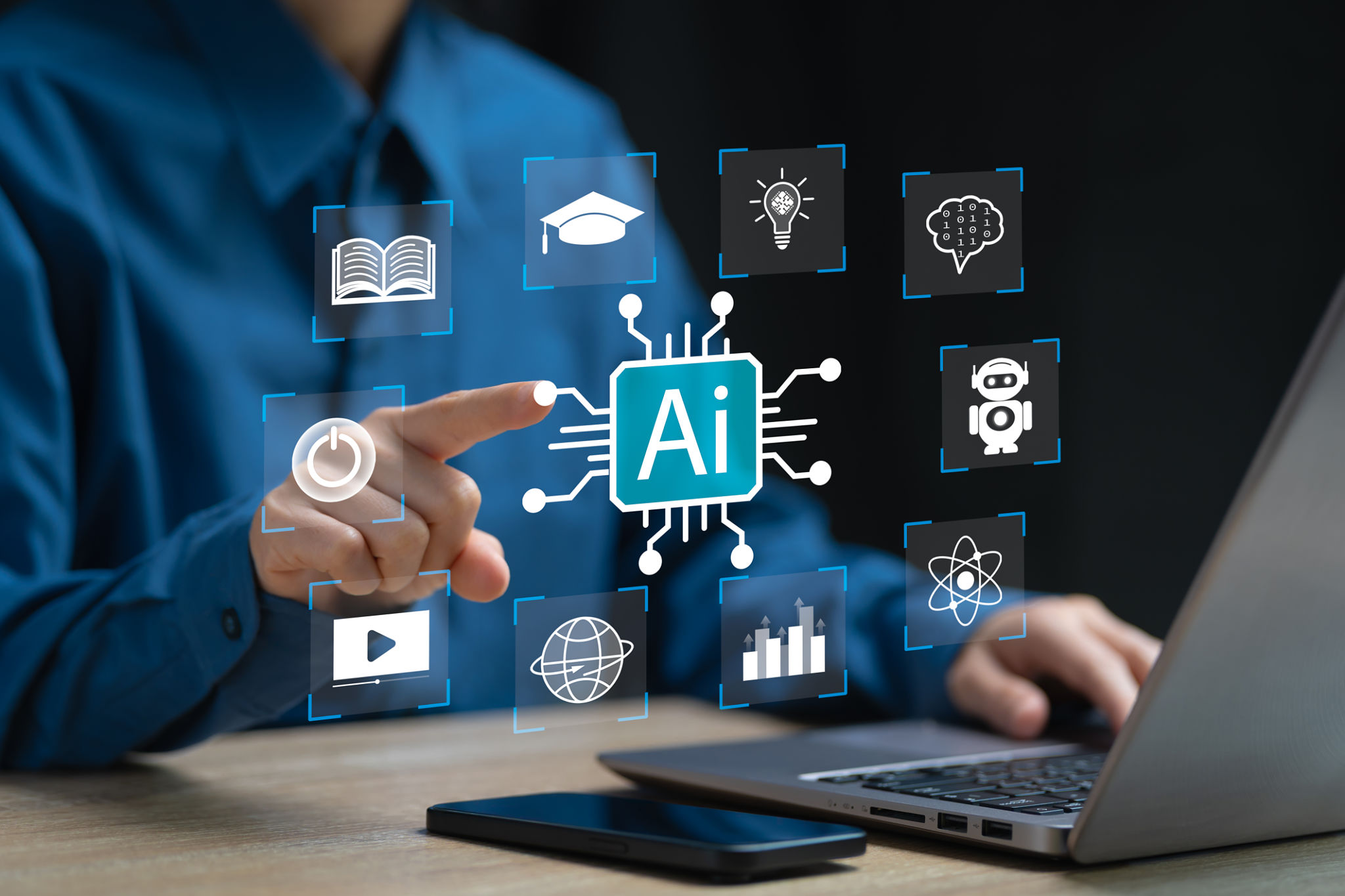
Despite the numerous benefits, integrating AI into the workplace comes with challenges. Concerns about privacy, data security, and job displacement must be addressed to ensure a smooth transition. Companies need to adopt ethical AI practices and provide adequate training to help employees adapt to new technologies.
The Role of Human Oversight
While AI can automate many tasks, human oversight remains crucial. Employees must work alongside AI systems to monitor outputs and ensure accuracy. This collaboration between humans and machines creates a balanced approach, leveraging the strengths of both to achieve optimal results.
The Road Ahead
As AI continues to advance, its role in the workplace will only grow more significant. Businesses that embrace AI solutions will likely gain a competitive edge, benefiting from increased productivity, innovation, and agility. By staying informed and adapting to these changes, organizations can harness the full potential of AI and shape the future of work.
